 LA Flooring
Understanding the Impact on Your Investment Over Time
When deciding on a new floor, many homeowners weigh their options between vinyl and hardwood. Both choices offer distinct advantages and come with their own sets of challenges. Understanding which option provides better long-term value is crucial for making an informed decision. This guide will explore various factors such as durability, cost, maintenance, and resale value to determine which flooring might be more beneficial for you in the long run.
The Durability Factor
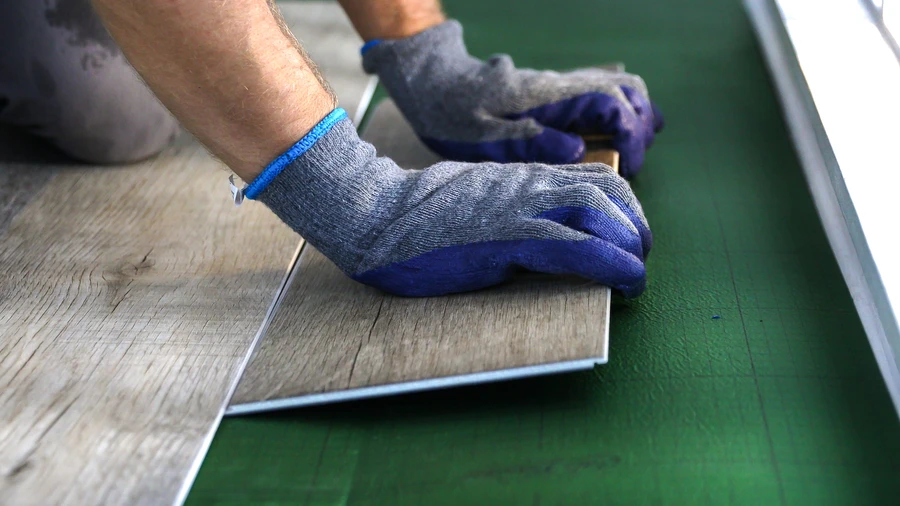
Durability plays a critical role in determining the longevity of your flooring choice. Vinyl flooring is known for its resistance to scratches and moisture, making it suitable for areas prone to spills or heavy foot traffic. On the other hand, hardwood floors are also durable but can be susceptible to scratching and water damage if not properly maintained. Ultimately, the material’s ability to withstand everyday wear and tear will influence how long it lasts without needing replacement.
Cost Considerations
Budget is often a key factor when choosing between flooring types. Initially, vinyl flooring tends to be less expensive than hardwood. Not only is the material itself cheaper, but installation costs are generally lower due to easier handling and quicker processes. However, it’s important to consider the long-term investment; while hardwood has higher upfront costs, its lifespan can justify the expense over time as it may not need replacing as quickly as vinyl.
Maintenance Requirements
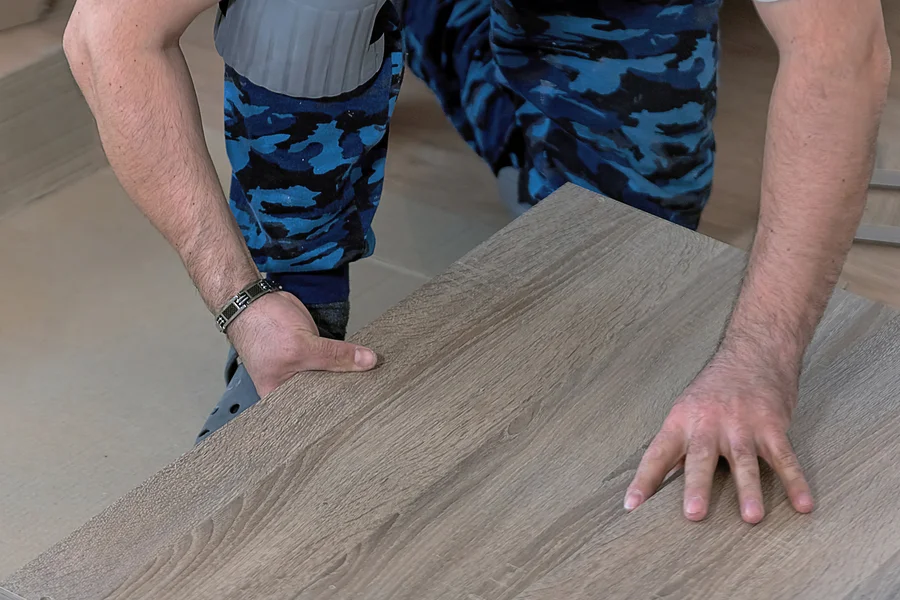
Both types of flooring require some level of upkeep to maintain their appearance and functionality. Vinyl flooring requires minimal maintenance, usually just regular sweeping and occasional mopping. It does not require any special treatments or finishes. Conversely, hardwood floors may require more attention, including refinishing every few years to keep them looking pristine. This added effort can impact your time and budget considerations over the years.
Impact on Home Resale Value
Your choice of flooring can affect your home’s resale value. Generally speaking, homes with hardwood floors have a higher perceived market value compared to those with vinyl flooring. Buyers often see hardwood as a luxury feature that adds character and warmth to a space. While vinyl has improved in quality and appearance over recent years, it doesn’t typically increase home value in the same way hardwood does.
Environmental Considerations
For those concerned about environmental impact, both materials have pros and cons. Vinyl flooring is made from synthetic materials and may have a higher carbon footprint during production. However, advances in manufacturing have LED to more eco-friendly options available today. Hardwood, while natural, involves deforestation unless sourced from sustainable forests. Opting for certified sustainable wood can mitigate this issue.
Key Pros and Cons
- Vinyl Flooring: Cost-effective, easy to install, low maintenance, water-resistant. May not add significant resale value.
- Hardwood: Adds value to home, aesthetically pleasing, long-lasting when maintained well. Higher initial cost, requires more maintenance.
Making the Right Choice for You
The decision between vinyl and hardwood depends on individual priorities such as budget, lifestyle, and future plans. For households with kids or pets that want an affordable and easy-to-maintain option, vinyl could be ideal. For those investing in high-quality aesthetics or planning on selling their home soon, hardwood might provide more satisfaction and return on investment. Regardless of your choice, ensuring professional installation can maximize the lifespan and beauty of your flooring.
Contact Our Experts Today
If you’re considering new flooring options, don’t hesitate to reach out to LA Flooring. Located in Los Angeles, CA, we specialize in helping clients like you find the perfect flooring solution tailored to your needs and budget. Call us at (818) 853-3528 to schedule a consultation with our knowledgeable team ready to assist you every step of the way.