 LA Flooring
Your Guide to Home Flooring Projects
For homeowners looking to upgrade their living spaces, knowing how vinyl flooring installation works can be a game-changer. Installing new floors can transform the feel and look of your home, making it more inviting and stylish. But understanding the process involved is crucial before diving in. From preparation to final touches, this guide aims to give you insights into every step of the installation process, ensuring that your project goes smoothly.
Why Choose This Type of Flooring?
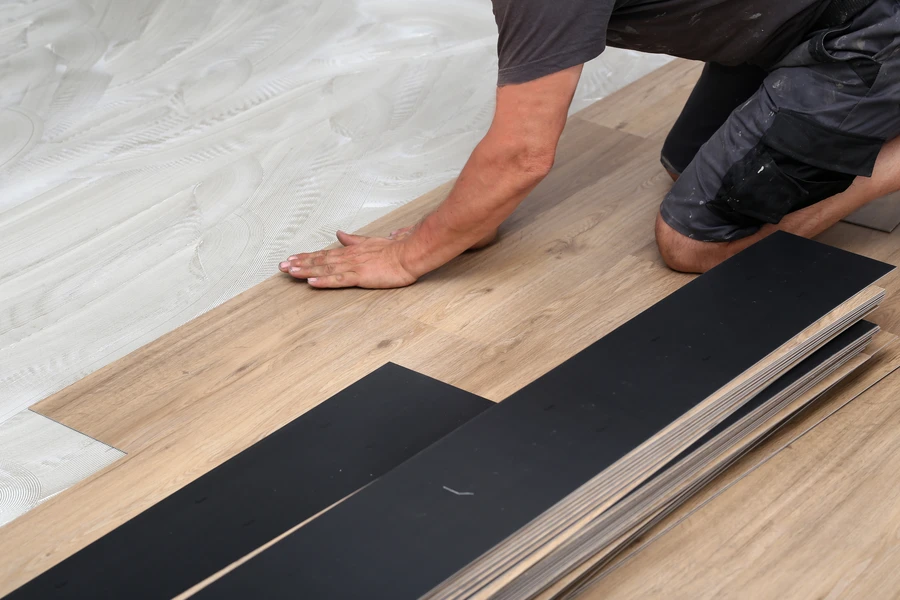
This type of flooring is a popular choice due to its durability and cost-effectiveness. It comes in a variety of styles and colors, mimicking the appearance of wood or stone at a fraction of the cost. Homeowners appreciate its resistance to water and stains, making it ideal for kitchens and bathrooms. The easy maintenance is another reason people prefer it-simply sweep and mop regularly to keep it looking great.
Materials You’ll Need
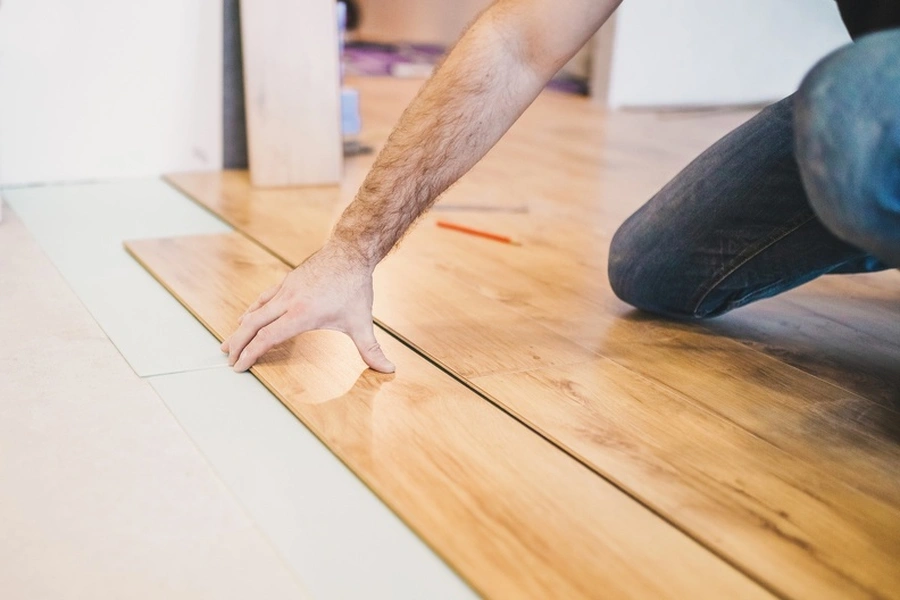
Before beginning any installation, gathering the right tools and materials is essential. For installing this type of floor, you’ll need:
- Flooring planks or tiles
- Underlayment (if required)
- Measuring tape
- Utility knife
- Adhesive (optional)
- Roller
- Straightedge or ruler
Preparing Your Space
The first step in getting ready is clearing the area where you’ll lay the new floor. Remove all furniture and ensure the subfloor is clean, dry, and level. Uneven surfaces can lead to issues like gaps or lifting over time. Use a leveler if needed to make sure everything is smooth. Also, take time to remove any baseboards; they can be reinstalled once the floor is finished.
Steps in the Installation Process
Understanding the basic steps involved can help you visualize the project before starting:
- Measure your space accurately to determine how much material you’ll need.
- If using an underlayment, roll it out and secure it to the subfloor.
- Begin laying down planks or tiles from one corner, working your way across the room.
- Use spacers to maintain a consistent gap between the flooring and walls.
- Trim pieces as necessary with a utility knife for a perfect fit.
- Once laid, use a roller to press down each section firmly.
- Reinstall baseboards and enjoy your new flooring!
Avoid Common Mistakes
Troubleshooting common pitfalls can save headaches later on. Ensure proper acclimation of materials by leaving them in the intended environment for 48 hours prior to installation. This prevents shrinking or expanding after they’re laid down. Another tip is not to rush through measurements; inaccurate measuring can lead to wasted materials and additional costs.
Cost Factors to Consider
When planning your budget, consider factors such as material quality and square footage. While higher-end materials may have upfront costs, they often prove cost-effective in terms of longevity and ease of care. Don’t forget potential labor costs if hiring professionals, although DIY installations are common due to straightforward methods involved.
Expert Recommendations for Success
Professional advice makes a world of difference. Experts suggest starting with small rooms if you’re new to DIY projects. They also recommend checking manufacturer guidelines for specific instructions related to your chosen product. Finally, always allow time for proper drying or setting if adhesives are used.
Connect With Our Team
If you’re considering upgrading your home with new flooring options, call (818) 853-3528 for expert guidance. At LA Flooring, we specialize in providing top-quality service tailored to your needs. Located in Los Angeles, CA, we bring years of experience to help you achieve the home transformation you envision.